استان فارس
Fars
Larestan · Jahrom · Darab
Our home province. The Larestan plain has grown dates since the Sassanian era. Jahrom is the cradle of Shahani.
ShahaniKabkabZahediMazafati (Jahrom)
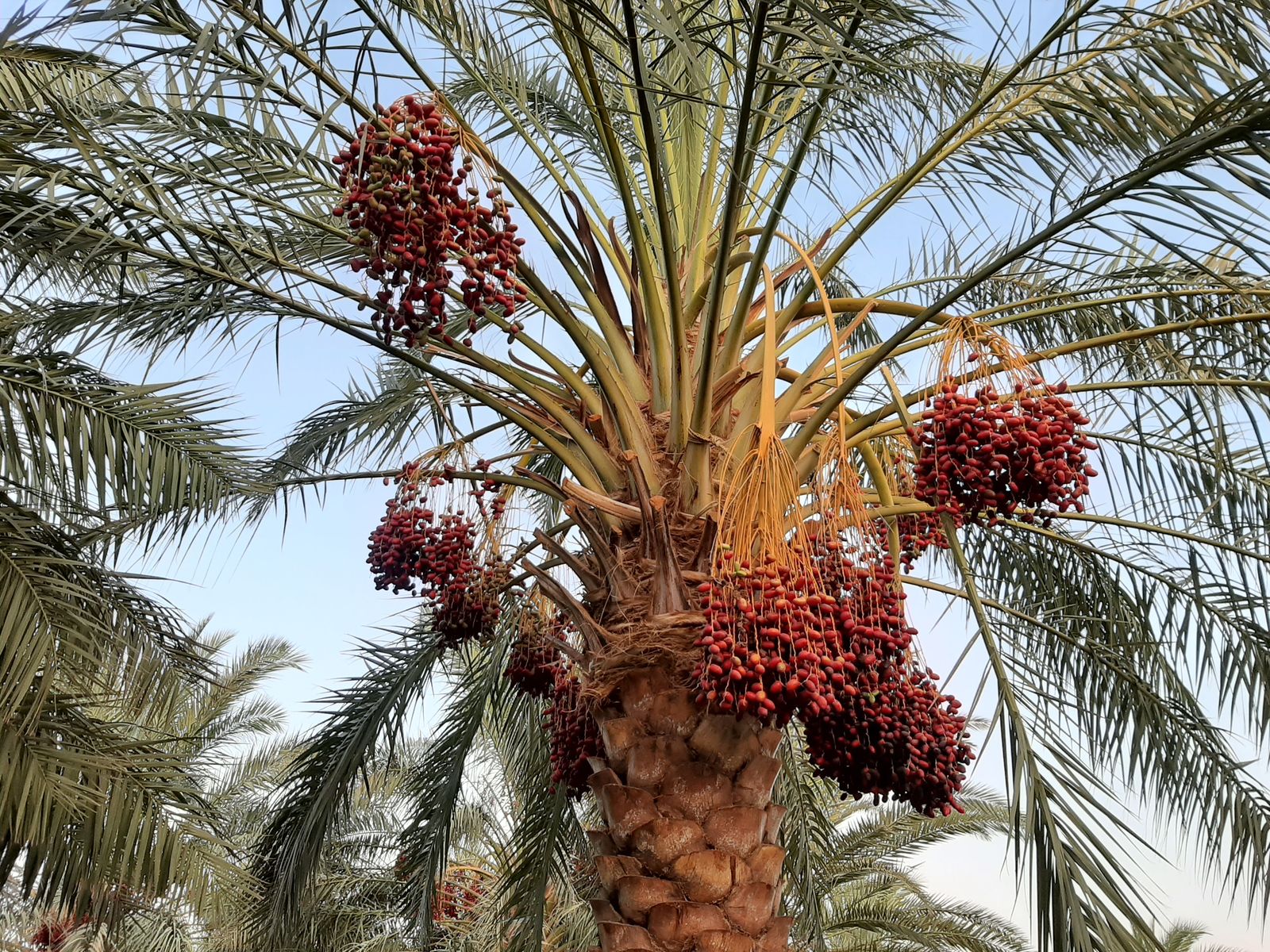
Our grandfather planted the first palm grove — a small nakhlestan on the dusty outskirts of Larestan, in southern Fars province. He climbed the trees himself, harvest after harvest, for forty years.
Our father continued the work. He widened the grove, planted new rows of Shahani and Kabkab, and built the cooling rooms that still stand today. The same quiet rules — pick only when the fruit is ready, sort by hand, never rush.
Then we took the next step: wholesale export. From the very palms our grandfather planted, we now ship dates to importers, roasters and confectioners worldwide. Same grove. Same family. Same fruit — only the reach is new.
Iran’s southern crescent — from Sistan-Baluchestan to Khuzestan — produces the world’s most prized dates. Each region carries the climate it grew up in.
Larestan · Jahrom · Darab
Our home province. The Larestan plain has grown dates since the Sassanian era. Jahrom is the cradle of Shahani.
Hajiabad · Minab
The narrow Hajiabad valleys are the only place on earth where genuine Piarom grows.
Bam · Rabar
Bam Mazafati is the world's most exported soft date — moist, dark, harvested at rotab stage.
Khorramshahr · Abadan
Iran's largest date-producing region by volume. The Arvandrud groves feed the bulk-export trade.
Dashtestan · Dashti
Salt-wind off the Persian Gulf gives Bushehr's Kabkab its signature minerality.
Iranshahr · Saravan
Iran's hottest province. Iranshahr Mazafati arrives at market a full month before its cousins.